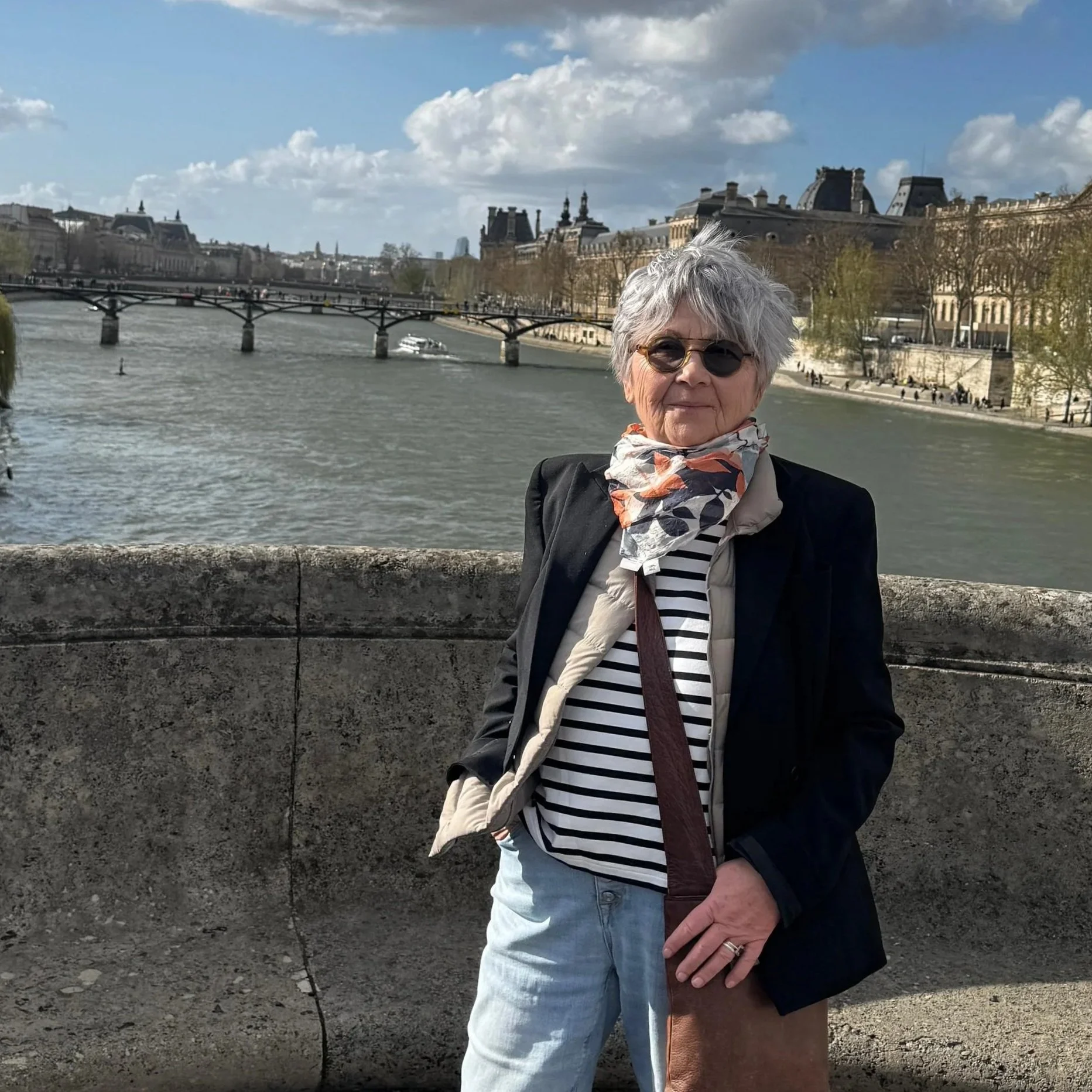
Affiliation: Emerita Professor, Dept. of Sociology, University of York; Chair of London Arts and Health; Visiting Professor, Dementia Lifeworlds, University College Cork
Joanna Latimer
Joanna Latimer studied English before training and working as a nurse for ten years. She undertook her PhD in the social sciences, published as The Conduct of Care, and went on to become Professor of Science and Technology Studies at York. Her critical sociology explores relational approaches to health, care, ageing and more-than-human worlds. She has written extensively on the limits of individualised models of health and is currently interested in developing concepts such as “landing creative health” to rethink wellbeing as grounded, embodied, situated and ecological. She collaborates across academic, cultural, and community contexts to explore new forms of collective care and more sustainable ways of living.
Keynote: Landing Creative Health
This keynote introduces the concept of “landing creative health” as a way of rethinking the relationship between creativity, wellbeing, and place. While creative health is often framed in terms of access to the arts or measurable health outcomes, this paper argues for a shift toward understanding how creative practices take hold - materially, relationally, and over time.
Drawing on land-based practices such as therapeutic horticulture, heritage engagement, and community-led art, the talk explores how wellbeing emerges through grounded, embodied engagement with land and history. It develops “landing” as a dual process of grounding - being situated in place through sensory and material practices - and becoming-with, drawing on the work of Donna Haraway to conceptualise how subjects are transformed through more-than-human world-making. The argument is further informed by Maria Puig de la Bellacasa’s work on soil and her account of care as material and affective labour, and my own emphasis on relational ontologies.
Through case examples from community, heritage and land-based creative health initiatives, particularly in rural Herefordshire, the keynote demonstrates how such practices foster attachment rather than access, generating forms of belonging, collective resilience, and ecological awareness. It also highlights the political dimensions of land-based creative work and ‘folk’ arts and crafts, as forms of myth-making and cultural resistance.
Ultimately, the concept of landing creative health offers a framework for understanding wellbeing as something that emerges through ongoing, situated practices of care, non-extractive co-creation, and ecological relation - reframing health as situated, relational and inseparable from the environments and communities in which it takes place.