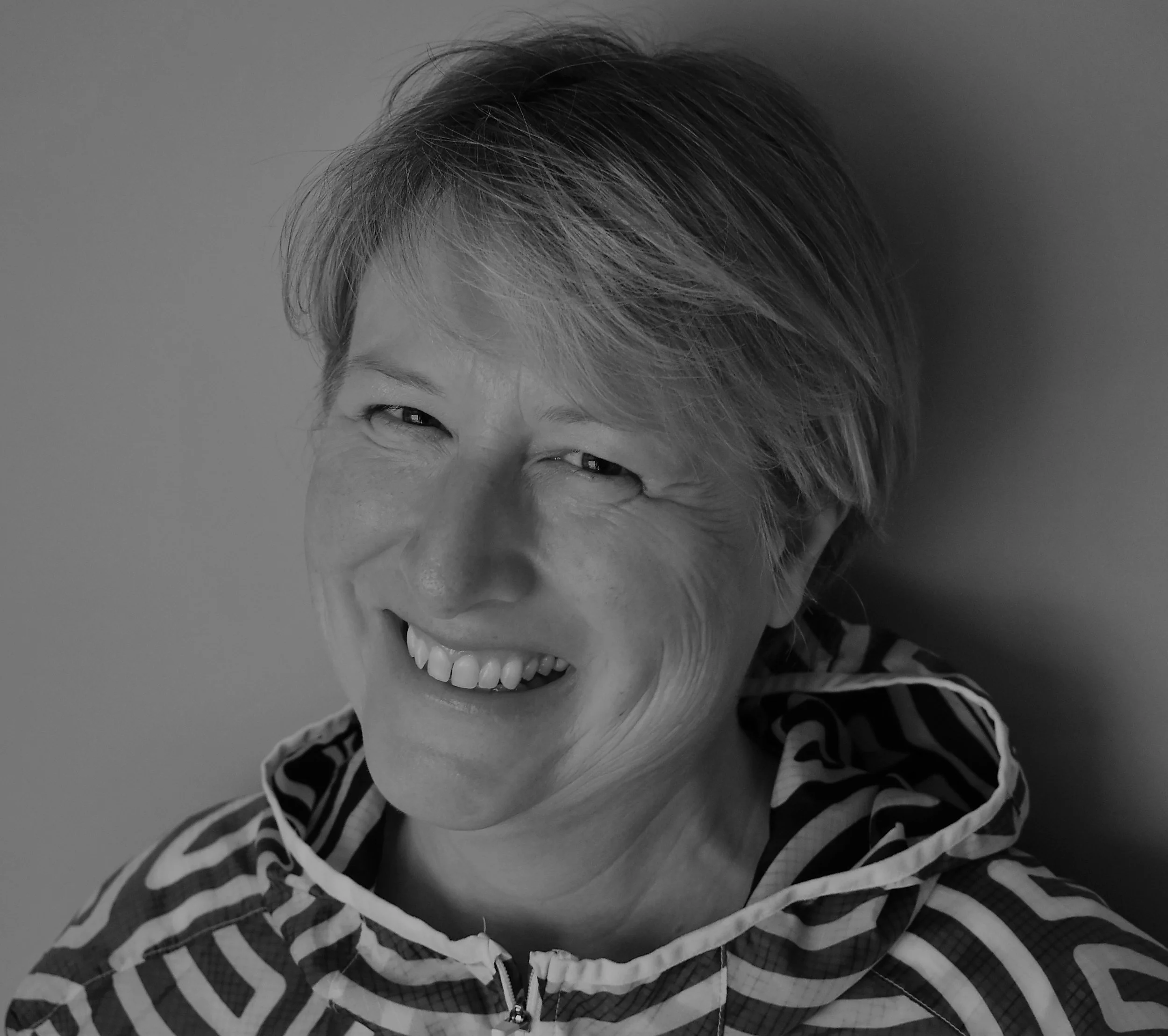
Jackie Morris
Affiliation: Manchester Metropolitan University
Jacqueline Morris is an artist and doctoral candidate at Manchester Metropolitan University. Her research explores connections to rural place and care for nature through collaborative arts with her community using a combination of embodied methods and participatory textiles. Her interests include social injustice, women’s history, ecology, heritage and crafts, and mediums of poetry, print, sculpture and textiles. In 2020, she was research assistant on a British Council’s Crafting Futures project ‘Raising Awareness of Value: Women & Crafts in India. In her 26 year occupational therapy career, she specialised in pain management, vocational rehabilitation, and acute elderly care in mental health.
Panel: Making Communities
Talk Title: Fields of care - embodied responses to folkloric rural places through a participatory embroidery practice
Is there a reciprocity in caring for a rural place whereby that place also engenders care for us? Local participants were sought to collaboratively investigate rural places of folklore in Herefordshire as identified in the collections of Ella Mary Leather (1874 - 1928). The task was to walk in a chosen place a minimum of once a season over a year and to meet weekly to stitch a response and co-create a Stitched Atlas. The research method ‘stitching with the body’ relied on going regularly to the same place over time, the body moving as if a needle, potentially making attachments and fastenings to the land. In the meetings and at home, the participants’ experiences materialized into their atlas pages through hand stitching. Geographer Yi-Fu Tuan’s term ‘fields of care’ refers to inconspicuous, intimate places that evoke local affection which he says emerge as people become ‘emotionally bound to their material environment’ (Tuan, 1979, Till, 2023). ‘Embroidery elicitation’ interviews with eight of the sixteen mainly older female participants drew out new understandings of how folklore informed their sense and value of rural place. Being mindful of Newton's Third Law of Motion which holds that for every action or force in nature there is an equal and opposite reaction, this paper considers the reciprocal agencies of these folkloric places acting upon participants. Some embroidered atlas pages from the three volumes made by this community group will be presented alongside examples of participants’ self-identified wellbeing gains from their exploration of folkloric place.